 Perch & Focus
How to bring more birds to your feeder this winter
Eight changes that make the biggest difference, from the seed you buy to where the feeder hangs.
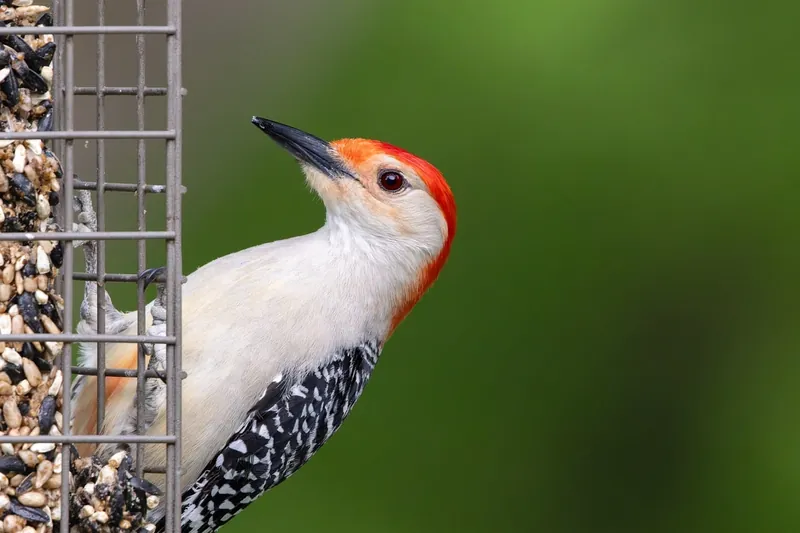
Winter is when feeders matter most. Insects are scarce, days are short, and small birds have to eat enough each day to get through long, cold nights. Get a few basics right and a quiet feeder can become the busiest spot in the yard.
1. Start with black-oil sunflower seed
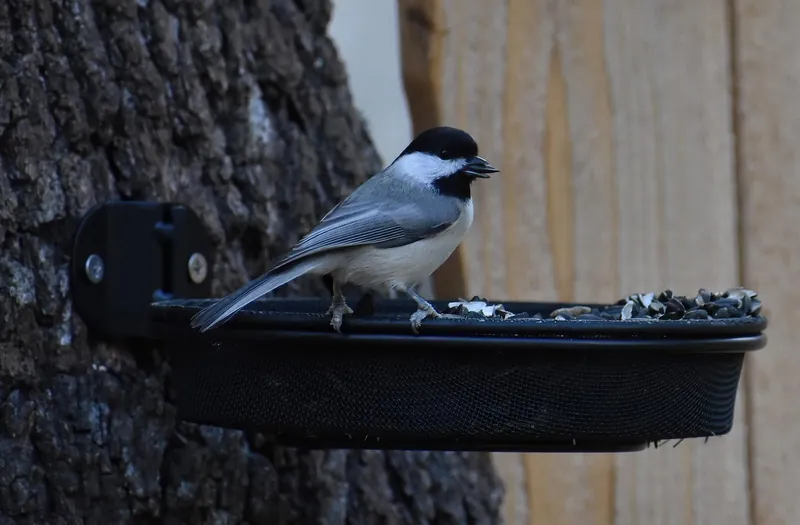
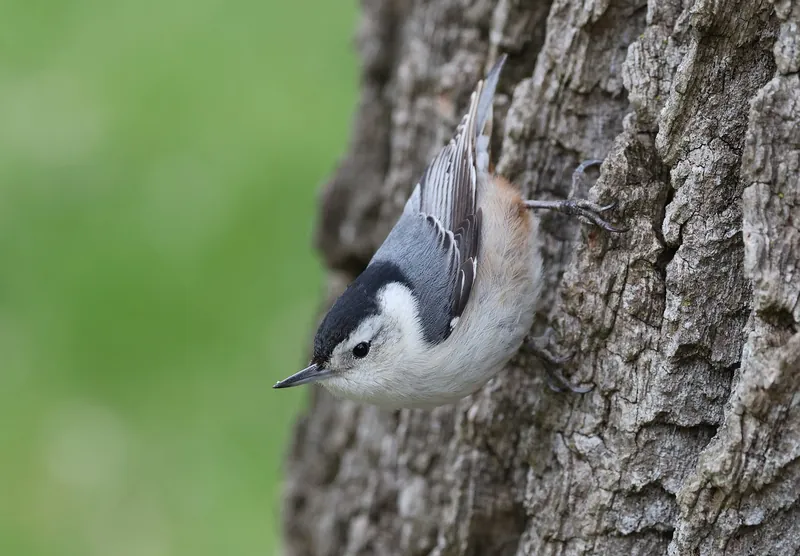
If you only offer one food, make it black-oil sunflower. It attracts the widest range of backyard birds, from chickadees and titmice to cardinals and nuthatches. The shells are thin enough for small birds to crack, and the kernel is rich in fat. Cheap mixes are often padded with red milo and wheat, which most feeder birds ignore and kick to the ground.
2. Add suet when it turns cold
Suet is pure energy. Woodpeckers, nuthatches, chickadees and wrens will use it all winter. A simple wire suet cage hung from a branch or pole is enough. Winter is the best season for it, because suet can soften and spoil in summer heat.
3. Offer water
When ponds and puddles freeze, open water is harder to find than food. A heated bird bath keeps water open in freezing weather and will bring in birds that never visit seed feeders. Keep it shallow, no more than two inches deep.
4. Put feeders where birds feel safe
Birds want an escape route. Place feeders roughly 10 feet from shrubs or trees: close enough to dart to cover, but not so close that a cat can hide there and pounce.
5. Mind your windows
Window collisions kill huge numbers of birds. Place feeders either closer than 3 feet to a window, so a bird leaving the feeder can’t build up dangerous speed, or farther than 30 feet away.
6. Stop the squirrels
A pole-mounted feeder with a baffle beats almost any “squirrel-proof” gadget. Keep the feeder at least 5 feet off the ground and about 10 feet from anything a squirrel can jump from, such as a fence, roof or branch.
7. Keep it clean
Dirty feeders spread disease. Every couple of weeks, scrub feeders with a solution of one part bleach to nine parts water, rinse well and let them dry before refilling. Rake up old hulls and droppings underneath.
8. Be patient
A new feeder can take days or even a few weeks to be discovered. Once one chickadee finds it, others usually follow quickly.
Sources: Cornell Lab of Ornithology (All About Birds, Project FeederWatch) and the National Audubon Society.